Since the moment I began reading, books have entranced me. Throughout my life, they have provided me with solace, companionship, laughter, and hope. I have been surrounded by books my whole life, from saving my pocket money to buy books when I was child, to spending my Saturdays in the library when I was teenager, through to the present, where I am incapable of walking into a bookshop without feeling that compulsive need to buy ALL THE BOOKS.
Writing a book, however, that was a dream that came much later. I first began writing fiction for the pure joy of it when I was eight years old, when my third-grade teacher set us the task of writing the story of The Empire Strikes Back. While the rest of my class finished writing as the lunch bell rang, I kept writing, and writing, and writing, until I had 16 pages of words, trying to encapsulate the brilliance of this Star Wars story. Two loves were born that day. One was for all things Star Wars related. The other was for writing.
I started with stories, and progressed to poetry, writing multitudes of pretty terrible verse, which I am sure I would recoil at in horror if I were ever to be haunted by the ghosts of my writing past. I flirted with the idea of writing a novel in my early twenties, but my reality just didn’t allow for it. I was at university, the first person in my family to do so, and what with working various part time jobs while studying full time, writing a novel was not a luxury I could afford.
In short, I stopped writing, finished university, became a solicitor, and had a family. Not once did I think about picking up a pen and putting words down on the page (other than for writing very long, and very boring, contracts). And it stayed that way until 2014, when I was visiting New York with my dear friend Kelly. At the time I travelled to New York, I was having a pretty miserable time in my relationship, although I hadn’t yet fully realised just how toxic it was, or how much it was eroding my sense of self. Kelly and I went to the Metropolitan Museum of Art where I came across a painting that seemed to exert some sort of magnetic pull over me, the woman inside the frame drawing me to her. It was as though, somehow, she knew me. Or I knew her. This painting was called The Convalescent, painted in 1872 by English artist Ford Madox Brown. It was inexplicable the connection I had with this painting, there being no rationale underlying why this painting, among all the other masterpieces in the museum, resonated with me in a way no painting had done before. But who was she, this woman in the painting that had struck such a powerful chord within my soul? When I returned home, I began researching. I learned her name was Emma, that she was the second wife of the artist who had painted her. I also learned how Emma’s life was one of addiction, illness, and unhappiness. The more I discovered about her, the more I realised I wanted to tell her story. I wanted to give her a voice. And so, I began writing, and my first novel, The Convalescent, was born. In giving her a voice, I found my own. But it was never published.
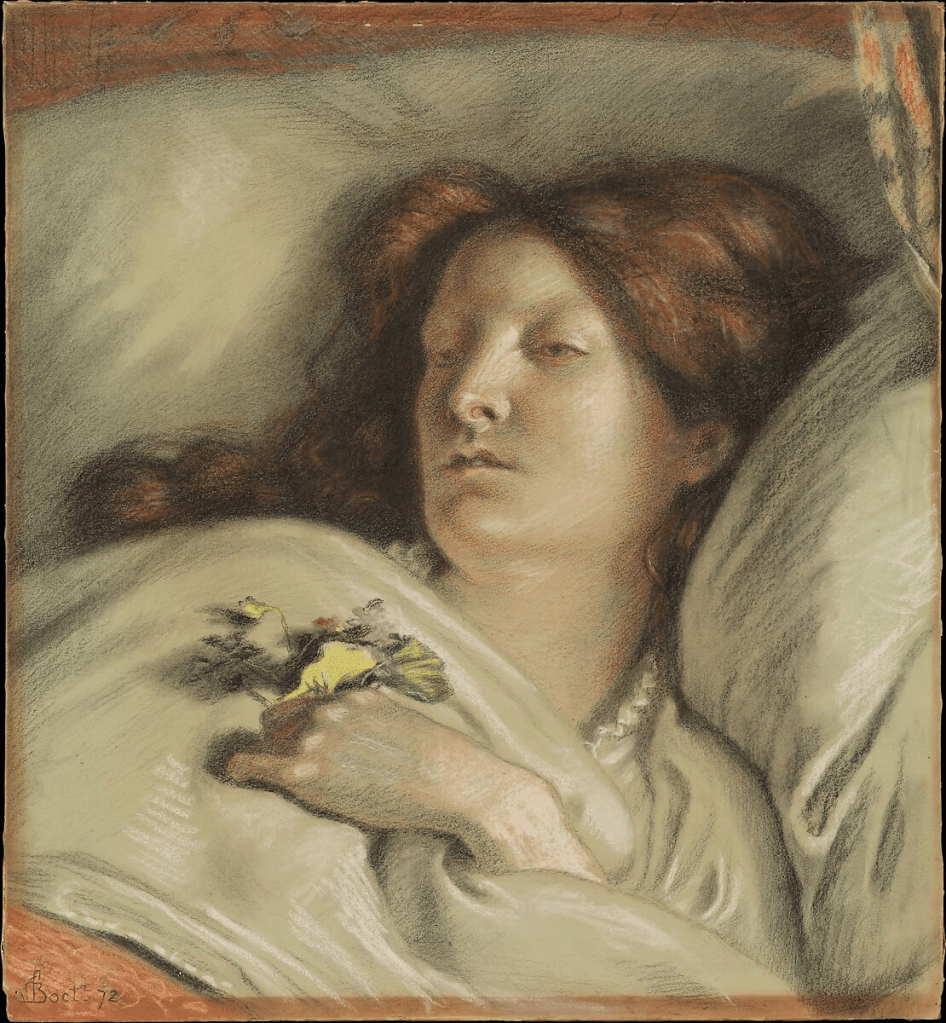
Here is the thing that they never tell you when you set out to write a novel. Writing the novel is the “easy” part. It is getting published that is the real hard work, especially for a first-time novelist.
With the draft of my first novel completed, I began the bewildering process of thinking about publication. I had no idea where to start. Internet searches led me to various different companies and organisations offering to help with the publication process. I had no idea which were legitimate, and which were just out to take your money. I sifted through my various options, and decided to go to a festival of writing, which offered a series of workshops and talks on the writing and publication process, as well as the chance to speak to literary agents.
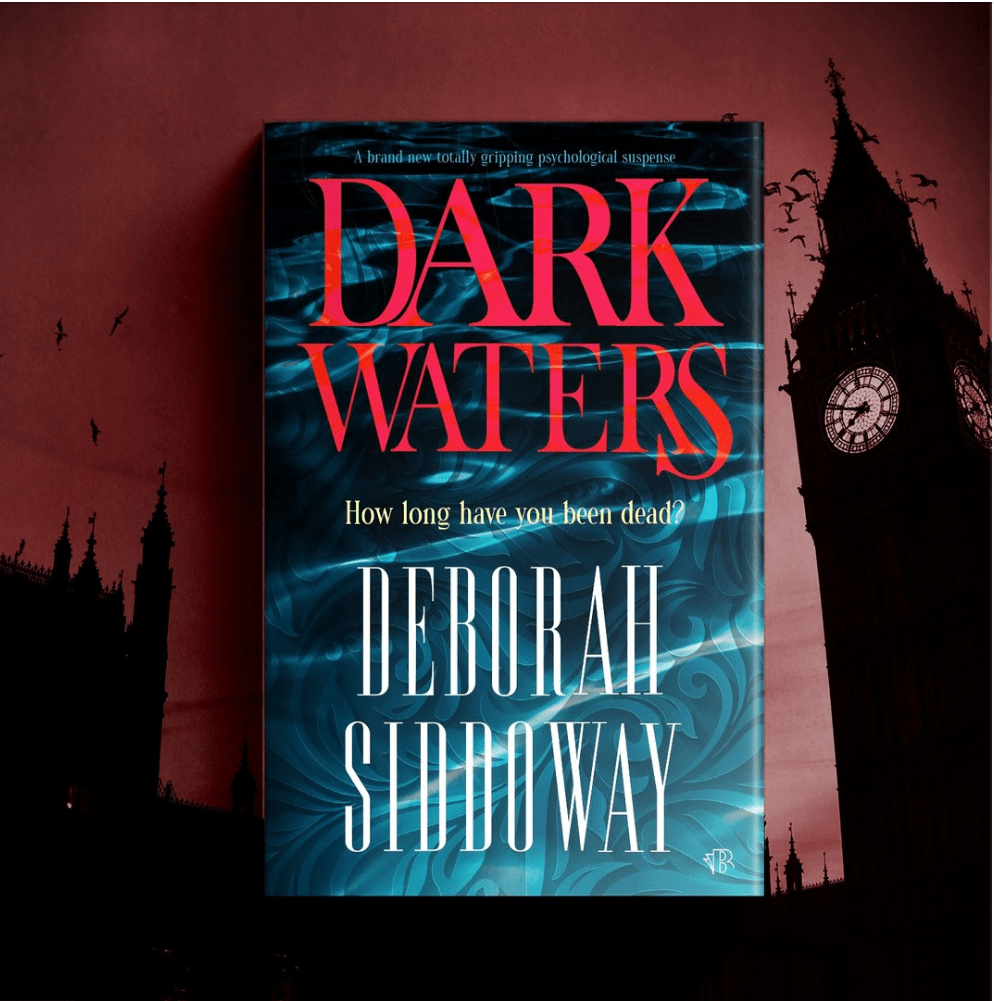
The festival was in York, run by an organisation now known as Jericho Writers, and I turned up full of enthusiasm and hope, having carefully selected my workshops, and chosen the agents I was going to see. I also turned up thinking I had written a truly good book, and that I was bound to find a route to publication. Spoiler alert – I was destined for disappointment in that dream. However, this first festival gave me the tools I needed to make my way to where I am now, just a week away from publication of my debut novel, Dark Waters.
Through this first festival, and the two I have been to since, I met a number of people, developed relationships, became part of a community, and most importantly of all, learned the importance of working on my craft, particularly if the dream was, as it is for most writers, publication. I learned the important of the pitching process, the submission letter, the need to ensure that the reader is hooked from the opening pages, whether that be the agent who is reading your work, or the many readers who read your writing along the way. Those are the people I want to acknowledge in this first reflection of my journey to publication: from Jericho Writers, who have fostered such a kind and supportive environment within the festivals, to the many people I have met there, including Debi Alper and Emma Darwin (whose self-edit course I recommend), and the agents who gave such constructive feedback on my work in our one-to-one sessions, telling me why my first novel was unpublishable, all the while assuring me that my writing was good, evocative and well-researched (I’m not going to talk about that one agent who was just point-blank rude about my work – I’m going to assume she was having a bad day).
I never did get that first novel published. I had to let it go, and as the idea for my second novel gripped me, I took what I had learned from the first and began writing Dark Waters. In my next reflection on my journey to publication, I will talk more about the writing of it, the courses I have taken as I developed my writing and editing skills and technique, and the people who helped me to make it the best that it could be.
 Deborah Siddoway