It started with a message. It was from my sister, telling me that my nieces were to appear in their latest theatre school production, and asked me if I would like tickets. The show in question, Oliver. Of course it is. When I caught up with my nieces later that week, their talk was of the Artful Dodger, and how great it would be if they were old enough to play the part of Nancy, all without any real awareness of the origin of the ‘musical’, or the underlying tragedy and pathos of the characters as they were first conceived of by Dickens. It soon became all too clear to me that for my nieces, Oliver isn’t Dickens. It is a show, a spectacle of dance and song, with an obligatory happy ending that ensures that they will get to perform a show stopper of a final dance act.
As I listened to their oblivious enthusiasm for Oliver (the musical, not the book), I started thinking on all the many ways in which Dickens has become almost omnipresent in our world today, in a myriad of small ways that are hardly noticeable until you can’t stop seeing them. This week I seem to have seen Dickens everywhere, from the adaptations I have been reading, the Netflix programs I have been streaming, with even my app to promote well-being and sleep having a soothing Dickensian-inspired story in its repertoire.
Somewhat intrigued by the many moments of Dickens I was experiencing, I started keeping a list, of all the times I came across Dickens, or a reference to Dickens, last week, not including the many times I came across him in my academic research, which seems only fair given my interest in nineteenth-century law and literature. But even without that, my list started growing. This is that list:
- Oliver the musical, as discussed above.
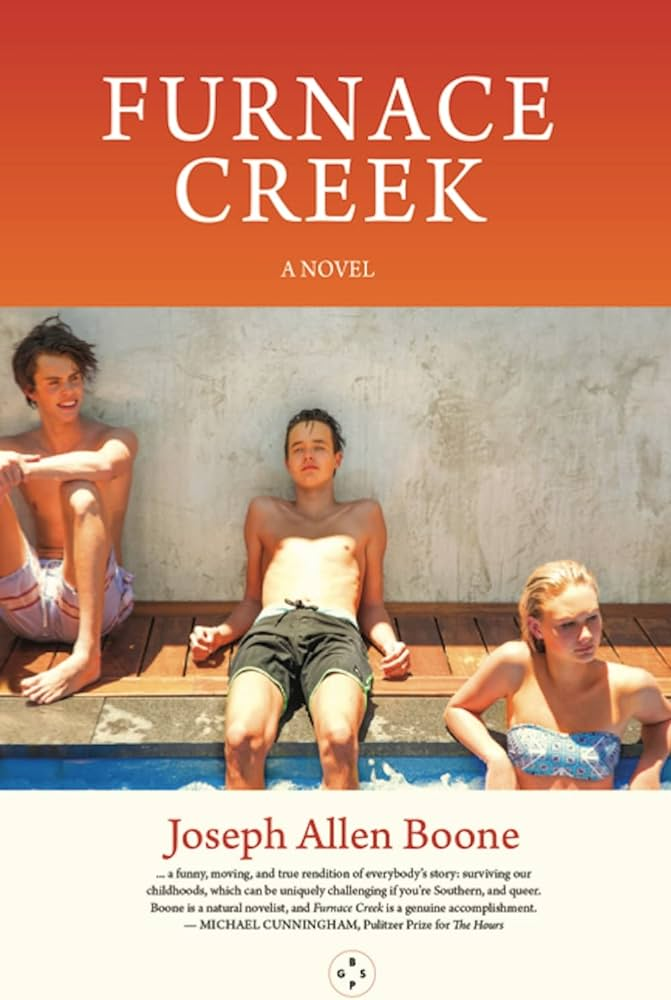
- A reference to the John Forster biography of Dickens in Furnace Creek by Joseph Boone. Now admittedly, this novel is itself an adaptation of Great Expectations, so to a certain extent, the whole of the novel is a testament to both Dickens and his genius, but even within the body of the novel, it was almost as if the author could not resist the temptation to reference the man himself within the work. I’ll have more to say on Furnace Creek and Dickensian adaptations in general later on.
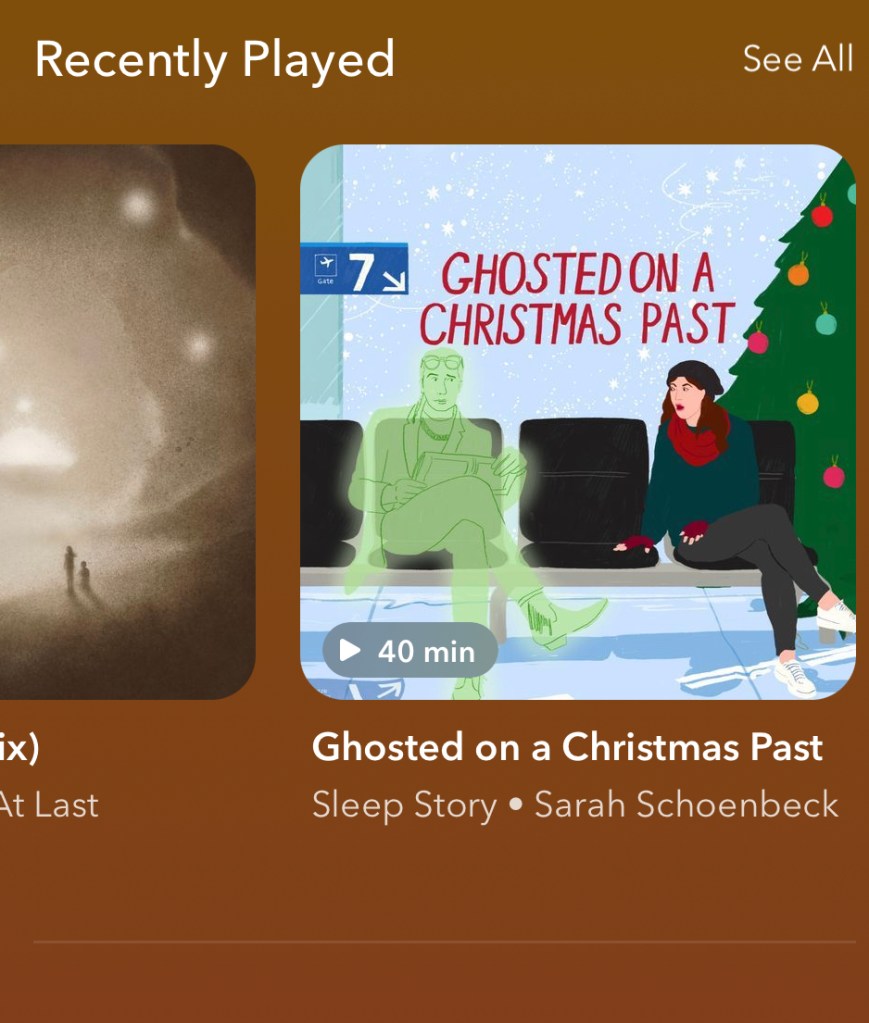
- My sleep app Calm offering me the story Ghosted on a Christmas Past. I decided to listen to it, thinking that I would stay awake to see how they had adapted the story for the purpose of putting the listener off to a night of serenity and sleep, however, aside from taking in the fact that the main character of the story was called Carol, I am afraid the app worked all too well, and I was asleep before I got to the end. There was definitely a Marley in the story. It was hardly subtle, but it was an entertaining enough way to fall asleep, and I certainly had a more restful night than Scrooge did on the night of his own ghostly visitations.
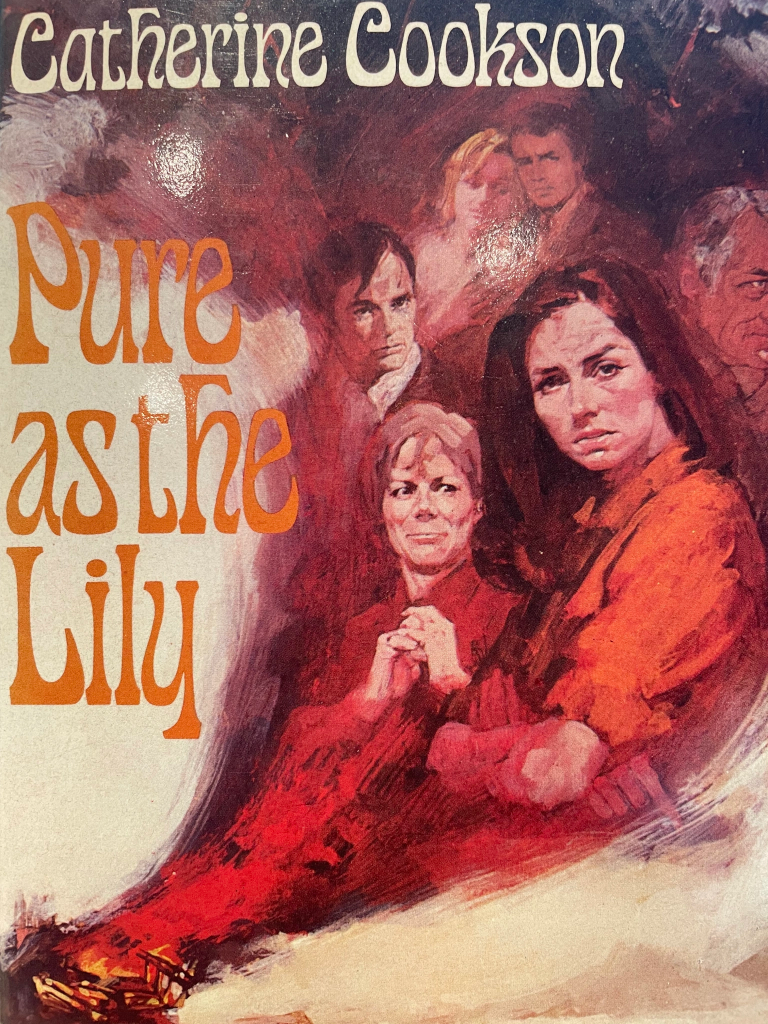
- I have been reading Pure as the Lily by Catherine Cookson. She has sometimes been referred to as the Dickens of the North, despite the fact that she freely admitted she did not like his novels. Her dislike of Dickens is certainly reflected in this particular novel of hers, with one of the characters, Mary, skimming over a bookcase and rejecting Dickens. Mary, like Cookson, does not like Dickens. You can see my previous post about this book here: https://deborahsiddoway.com/2022/05/29/the-kindness-of-catherine-cookson/
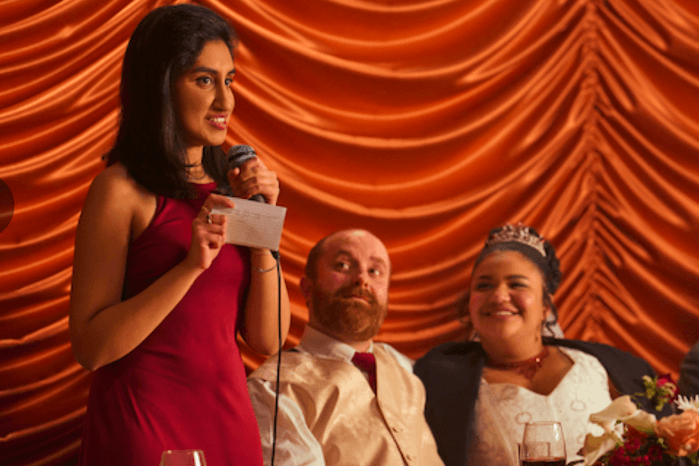
- I have been watching One Day on Netflix, a streaming series adapted from the David Nicholls book of the same name. There is one particular scene where Emma gives a speech, where she references Great Expectations, with the quote:
Imagine one selected day struck out of it, and think how different its course would have been. Pause you who read this, and think for a moment of the long chain of iron or gold, of thorns or flowers, that would never have bound you, but for the formation of the first link on one memorable day.
It was a brilliant use of the quote, particularly in the context of the premise in One Day, and incredibly emotional.
- Email notification from the Theatre Royal in Newcastle that the Northern Ballet production of A Christmas Carol will be showing in November this year. Now, I don’t like to think about Christmas in February, but this was exciting news. Newcastle will be getting the full Christmas Carol experience in 2024 it seems, because I am already aware that there is going to be a local production at the Tyne Theatre.

- An eerie advert on YouTube that the National Theatre in London will be showing London Tide, an adaptation of Our Mutual Friend. The trailer has two women emerging gasping for breath from under water, both dressed in an ethereal white, as the voiceover tells us it is a story about a river, death, and resurrection. (I immediately went and bought myself a ticket). https://youtu.be/9ko40v-YOJQ

Was I looking for Dickens, and so I found it? Or is it just that it is always there? Has Dickens become so embedded within our culture that it is impossible to go through a week without coming across some reference, however small or inconsequential, to the Inimitable?
At a time when so many of the humanities departments within our universities are at risk, it is sometimes worth a moment, to step back, and think how much poorer our society would be were we not able to study in depth the worlds of literature and art. They make up so much of the cultural framework that makes our society, they reveal so much of our history, showing us the way in which society has moved on and evolved. It gives us a richness which we are in grave danger of casting into the wind.
Perhaps I saw Dickens because I know Dickens. I just want others to have the same opportunity to study and to know his work in the way that I have been privileged enough to. Our humanities departments play a very important role. We need to preserve and protect them, not decimate them with redundancies and cost-cutting.
 Deborah Siddoway